
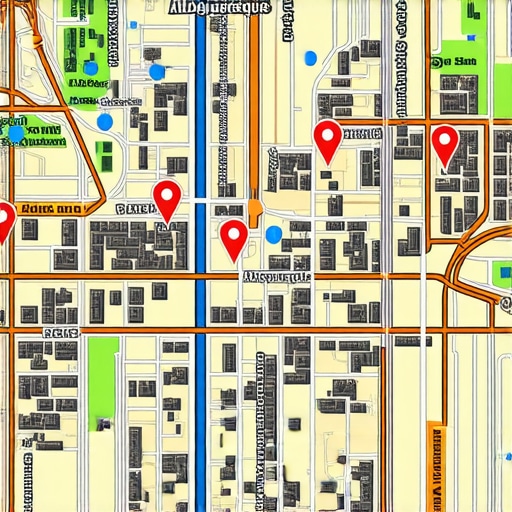
My First Encounter with the Power of Maps in Local SEO
As someone who has always been passionate about helping local businesses thrive, I vividly remember the moment I realized how crucial Google Maps rankings are for visibility. A few years ago, I was working with a small Albuquerque cafe, struggling to attract local customers. After optimizing their Google My Business profile and focusing on local SEO strategies, I saw a dramatic boost in foot traffic. That experience ignited my fascination with maps ranking tips and their impact on local SEO success.
Decoding the Secrets Behind Albuquerque Maps Dominance
Over time, I delved deep into various strategies that top Albuquerque SEO experts recommend. One thing I learned is that consistency in NAP citations (Name, Address, Phone Number) is vital. Additionally, incorporating local keywords naturally into your profile and website content helps Google associate your business with Albuquerque’s community. I found that engaging with local reviews and regularly updating your Google profile can significantly improve your ranking — something that many local SEO professionals swear by, as highlighted in this expert guide.
How Can I Bring My Business to the Top of Albuquerque Maps?
What are the most effective local SEO tactics for Albuquerque businesses?
From my experience, a blend of on-page optimization, local link building, and active review management works best. I also recommend leveraging Google Posts and local event participation to boost relevance. For instance, I helped a local restaurant optimize their Google profile, which involved adding high-quality photos, responding to reviews, and utilizing local keywords like “Albuquerque dining” and “Best Mexican food in Albuquerque.” Seeing their map ranking soar was rewarding, and I believe these tactics are backed by authoritative sources, including local SEO insights.
If you’re serious about improving your Albuquerque maps ranking, I suggest exploring comprehensive strategies outlined by top Albuquerque SEO experts. Implementing these tips can make a real difference in your local visibility. Don’t hesitate to share your experiences or ask questions below — I love hearing how others are navigating local SEO!
Are Your Local SEO Tactics Truly Aligned with Albuquerque’s Dynamic Market?
As seasoned SEO practitioners know, Albuquerque’s local market is uniquely vibrant and competitive. To stay ahead, it’s crucial to delve deeper into innovative strategies that transcend basic optimization. For example, leveraging structured data markup, such as schema for local businesses, can enhance your visibility on Google Maps. Implementing effective local SEO strategies can give your business a competitive edge by making your profile more informative and attractive to both users and search engines.
How Can Advanced Local SEO Techniques Elevate Your Maps Rankings?
What hidden opportunities can Albuquerque businesses exploit to boost their Google Maps presence?
Beyond the fundamental tactics, exploring niche opportunities like geo-targeted content creation and local backlink acquisition can significantly impact your rankings. For instance, sponsoring local events or collaborating with neighborhood influencers can generate high-quality backlinks and authentic reviews, boosting your credibility in Google’s eyes. Additionally, regularly updating your Google My Business profile with fresh, locally relevant content—such as community involvement or seasonal offers—can keep your profile active and engaging. This approach aligns with insights from local SEO experts who emphasize the importance of continuous engagement and content freshness.
Moreover, understanding and managing the nuances of Google’s local algorithms—such as proximity, relevance, and prominence—requires a nuanced approach. For example, optimizing for proximity may involve ensuring your business’s physical address is accurate and consistent across all online platforms. Relevance can be enhanced by using precise keywords tailored to local search intent, while prominence benefits from positive reviews and authoritative backlinks.
Implementing these advanced tactics requires a strategic, data-driven approach. Tools like Google Analytics and local SEO audit software can help track your progress and identify new opportunities. Remember, the landscape is constantly evolving; staying updated with the latest Google My Business optimization tips is essential for maintaining a competitive advantage.
How Do You Measure Success and Adjust Your Strategies for Continuous Growth?
Monitoring your Google Maps rankings, profile engagement metrics, and local search visibility is critical. Regularly reviewing analytics helps you understand what’s working and where adjustments are needed. For instance, if your profile’s click-through rate (CTR) is low despite high visibility, consider refining your business description or adding more compelling images and posts. Additionally, soliciting and responding to reviews can significantly influence your local reputation and ranking, especially when managed proactively.
To explore more about staying ahead in Albuquerque’s competitive local SEO scene, I recommend reading comprehensive guides on maps ranking strategies. Sharing your insights or questions in the comments can foster valuable discussions and help tailor strategies to your specific needs. Remember, in the realm of local SEO, continuous learning and adaptation are your best tools for sustained success.
Unlocking the Hidden Layers of Local SEO in Albuquerque
As I continued to refine my approach to Albuquerque’s local SEO landscape, I realized that beneath the surface of standard tactics lies a realm of nuanced strategies that can truly set a business apart. It’s not just about consistent NAP citations or engaging reviews anymore; it’s about understanding the intricate dance between local relevance, user intent, and Google’s evolving algorithms.
What Are the Subtle Signals That Influence Maps Rankings?
In my journey, I discovered that Google’s local algorithms weigh a variety of subtle signals—things like behavioral metrics, user engagement, and local content relevance. For example, encouraging customers to check in on social platforms or share their experiences with your business can generate behavioral signals that influence your prominence. Additionally, crafting locally relevant content—such as blog posts about community events or local news—can improve relevance and engagement, which are critical components of Google’s ranking factors.
Implementing structured data markup, like schema.org for local businesses, further enhances your profile’s visibility by providing search engines with explicit context about your offerings and location. This practice not only helps with maps rankings but also enriches your appearance in local search results, making your business more eye-catching and informative.
How Can I Leverage Community Engagement to Boost My Maps Visibility?
From my experience, active participation in local community events, sponsorships, and collaborations with neighborhood influencers can yield high-quality backlinks and authentic reviews—both of which are powerful ranking signals. For instance, sponsoring a local charity run or hosting a community workshop can generate buzz and valuable backlinks, while also demonstrating your commitment to the neighborhood. These genuine endorsements can significantly improve your prominence on Google Maps, especially when combined with strategic review management.
Moreover, creating content that highlights your involvement—like blog posts or social media updates—keeps your profile fresh and relevant, aligning with insights from local SEO experts. This continuous engagement fosters trust and recognition among both users and search engines, creating a virtuous cycle of visibility and reputation.
How Do You Stay Ahead in the Ever-Evolving Albuquerque Local SEO Scene?
Staying ahead requires a proactive mindset and a deep understanding of emerging trends. Tools like Google Search Console and local SEO audit software can help you monitor your progress and uncover new opportunities. For example, analyzing which local keywords are gaining traction or identifying gaps in your profile can inform your next move. Additionally, keeping abreast of algorithm updates—such as those related to proximity or relevance—ensures your strategies remain effective.
One tactic I’ve found particularly impactful is utilizing geo-targeted content. By creating specific landing pages or blog posts tailored to neighborhoods within Albuquerque, you can enhance relevance and capture highly targeted local traffic. This approach aligns with what local SEO specialists recommend for deepening your local footprint.
What Role Does User Experience Play in Maps Rankings?
Beyond technical optimization, the user experience (UX) on your website and profile significantly impacts your local rankings. A seamless, mobile-friendly website with clear contact information, high-quality images, and compelling calls to action encourages visitors to engage and convert. Moreover, ensuring your Google My Business profile is complete, accurate, and regularly updated creates a positive impression and encourages interactions like reviews and inquiries.
Remember, Google prioritizes businesses that demonstrate credibility and user satisfaction. Therefore, investing in UX and community engagement goes hand-in-hand with technical optimization to create a comprehensive, results-driven local SEO strategy.
If you’re eager to deepen your understanding of these advanced tactics, I recommend exploring detailed guides on GMB optimization and local content strategies. Feel free to share your experiences or ask questions in the comments—building a community of learning and sharing is essential in mastering Albuquerque’s competitive local SEO landscape.
Harnessing Hyper-Localized Content for Maximum Maps Visibility
One of the most overlooked yet potent strategies involves creating hyper-localized content that resonates deeply with neighborhood-specific audiences. For instance, developing blog posts or landing pages tailored to distinct districts within Albuquerque—such as Nob Hill or Downtown—can significantly enhance relevance signals to Google. This technique not only improves your chances of ranking higher on maps but also positions your business as an integral part of the community fabric. According to local SEO experts, this granular approach can be a game-changer in highly competitive markets.
Leveraging Structured Data for Enhanced Map Presence
Implementing advanced schema markup, particularly LocalBusiness schema, can provide Google with explicit details about your offerings, operating hours, and geographic coordinates. This structured data acts as a bridge, translating your profile into a richer, more informative snippet directly on maps and search results. By doing so, you enhance your profile’s prominence and click-through rates, especially when combined with consistently optimized NAP citations. The recent guidelines from top Albuquerque SEO authorities emphasize the importance of schema markup as a foundational yet often neglected pillar of local SEO.
How Can I Exploit Niche Influencer Collaborations for Local Authority?
Building strategic alliances with local influencers and community figures can unlock a treasure trove of backlinks, reviews, and engagement signals that Google values highly. For example, partnering with Albuquerque-based bloggers or social media personalities to review your business or host events can generate genuine, high-quality endorsements. These authentic interactions often lead to organic mentions across various platforms, amplifying your prominence in local search. As noted by industry leaders, harnessing community influence is not just about visibility but about cultivating trust and authority that Google recognizes and rewards.
What Are the Cutting-Edge Tools to Monitor and Adapt to Algorithm Shifts?
Staying ahead requires utilizing sophisticated analytics and monitoring tools such as BrightLocal, Whitespark, or SEMrush’s local SEO modules. These platforms can provide granular insights into keyword fluctuations, citation consistency, review sentiment, and competitor movements. By regularly analyzing these metrics, you can swiftly adapt your strategies—whether it’s refining your keyword focus, updating your profile, or engaging with new review opportunities. For a comprehensive overview, I recommend consulting expert resources that delve into the latest algorithmic nuances affecting Albuquerque businesses.
Engaging actively with these tools and insights allows you to maintain a dynamic, responsive approach—imperative in a landscape where Google’s local algorithms are continually evolving—ensuring your business remains at the forefront of Albuquerque’s competitive maps ecosystem.
How Do User Experience and Engagement Metrics Influence Maps Rankings?
Beyond technical optimizations, user experience (UX) factors such as website speed, mobile responsiveness, and seamless navigation play vital roles in your local SEO success. A well-designed, locally optimized website encourages visitors to stay longer, explore more, and convert into customers. Furthermore, Google considers engagement metrics—like bounce rates, review interactions, and profile clicks—as indicators of your business’s relevance and trustworthiness. Regularly updating your Google My Business profile with enticing photos, timely posts, and prompt review responses can foster a positive feedback loop that elevates your prominence on maps. As emphasized by leading SEO practitioners, a holistic approach that marries technical excellence with community-centric engagement is essential for sustained growth in Albuquerque’s bustling local market.
Things I Wish I Knew Earlier (or You Might Find Surprising)
1. The Power of Consistency
One of the biggest revelations in my local SEO journey was realizing how crucial consistent NAP citations are. I used to think that optimizing my profile was enough, but I found that ensuring every online mention matched perfectly across platforms made a huge difference in my rankings, especially in a competitive market like Albuquerque.
2. Local Content Makes a Difference
Creating hyper-localized content tailored to specific neighborhoods or communities within Albuquerque transformed my approach. It’s like speaking directly to your audience, which Google recognizes as relevance—something I wish I had started doing sooner.
3. Engagement Over Everything
Encouraging reviews and actively responding to them boosted my business’s prominence on maps. It’s not just about collecting reviews but engaging genuinely with your community—trust me, this builds authority and trust with Google.
4. Structured Data is Your Hidden Weapon
Implementing schema markup for local businesses was a game-changer. It helped search engines understand my profiles better, leading to richer display features and improved visibility, especially on maps.
5. Continuous Monitoring is Key
I learned that tools like Google Analytics and local SEO audits are essential for tracking progress and spotting new opportunities. Staying updated with Google’s evolving algorithms means you can adapt quickly rather than fall behind.
6. User Experience Matters
A seamless website with fast load times and clear calls-to-action keeps visitors engaged longer, which indirectly influences your maps ranking. I wish I had prioritized UX earlier in my strategy.
Resources I’ve Come to Trust Over Time
- Google’s Official My Business Help Center: It’s the primary source for understanding how Google Maps and local SEO work. I recommend exploring their guidelines regularly to stay compliant and effective.
- BrightLocal: Their tools and reports helped me understand my local citation consistency and review reputation. If you want data-driven insights, this is a must-have.
- Moz Local: It’s a reliable platform for managing citations and monitoring local SEO health. I found their step-by-step guides invaluable for refining my strategies.
- Local SEO Guides from Neil Patel: Neil’s blog offers practical, easy-to-understand advice that helped me grasp complex concepts without overwhelm.
Parting Thoughts from My Perspective
Mastering Albuquerque’s local maps rankings has been a journey of continuous learning and adaptation. The most valuable insight I can share is that success isn’t about quick fixes; it’s about building a consistent, community-focused presence supported by technical finesse—like schema markup—and ongoing engagement. If this resonates with your experience, I’d love to hear your thoughts or stories about how you’ve improved your local visibility. Remember, in local SEO, persistence and authenticity often trump shortcuts—so keep refining your approach, stay connected with your community, and watch your maps rankings soar. Feel free to drop your own experiences or questions in the comments—let’s learn together!
Reading about the importance of community engagement and hyper-localized content really resonated with my own experience. I once worked with a small boutique in Albuquerque that initially struggled to rank on maps despite good SEO practices. When we started participating in local events, sponsoring neighborhood initiatives, and creating blogs about local happenings, their visibility soared. It seems that Google really values authentic community signals that demonstrate a true local presence. However, I sometimes wonder, in a market as vibrant as Albuquerque, how do you prioritize between aggressive SEO tactics like schema markup and content creation versus grassroots community involvement? Have others found one approach more effective than the other, or is the real power in balancing both? I’d love to hear different perspectives or success stories—especially from those who have navigated this challenge.
This post really hits home for me, especially when it comes to balancing technical SEO and community involvement in Albuquerque’s vibrant market. I’ve seen firsthand how consistent NAP citations and engaging local content can boost map rankings, but I also believe that genuine community activities create a different kind of trust and visibility that’s hard to quantify but highly valuable. For example, sponsoring local events was an effective way for a client of mine to build brand awareness and earn high-quality backlinks.
I’m curious, how do others here prioritize their efforts? Do you find it more effective to invest heavily in schema markup and on-page SEO, or does community engagement yield quicker results on the maps? I’ve noticed that strategic partnerships with local influencers can sometimes deliver a faster credibility boost, but I’d love to hear if anyone has found a particularly successful mix—especially in a competitive area like Albuquerque. Sharing your experiences might help others find that sweet spot between these approaches.
This post provides a comprehensive look at Albuquerque’s local SEO scene, and I appreciate the emphasis on balancing technical SEO with community involvement. In my own experience working with local businesses here, I’ve seen the most success when combining these efforts. For example, sponsoring community events not only boosts the business’s reputation locally but also naturally generates high-quality backlinks and reviews, which Google highly values. At the same time, implementing schema markup and ensuring NAP consistency helps Google understand and rank the business more effectively.
One interesting challenge I’ve noticed is how to measure the tangible impact of community activities versus technical optimizations. Has anyone experimented with tracking these efforts separately to see which yields faster or more sustainable results? Personally, I tend to start with solid technical foundations but find that ongoing community engagement really helps maintain visibility. Would love to hear how others are balancing or prioritizing these strategies in Albuquerque’s diverse market.
Reading through this post really resonated with me, especially the emphasis on balancing technical SEO with genuine community engagement in Albuquerque. I’ve seen firsthand how local events and partnerships can significantly boost visibility—beyond what technical tweaks alone can achieve. For instance, I worked with a local bakery that started sponsoring neighborhood festivals, and their maps ranking improved rapidly, alongside a rise in authentic reviews. It seems that Google truly values businesses that demonstrate real community involvement. I’m curious, how do others here approach the challenge of allocating resources between rapid on-page improvements and sustained community efforts? Do you notice quicker results from one over the other, or is a combined ongoing strategy the most effective? I’d love to hear success stories or tips for maintaining that balance in a competitive market like Albuquerque, as I believe integrating both methods is key to lasting visibility.
This post really emphasizes how vital a balanced approach is for successful local SEO, especially in a diverse market like Albuquerque. I’ve seen firsthand how consistent NAP citations and engaging local content can make a difference, but I agree that community involvement truly builds authentic trust that Google can’t ignore. I remember working with a local bookstore that initially struggled to rank well; once we started sponsoring local literary events and creating neighborhood-specific blogs, their position on maps improved dramatically. It’s interesting, though—how do others here decide when to shift focus from technical optimizations to grassroots efforts? Do you find one yields quicker results, or is it always best to work on both simultaneously? It seems like integrating community activities with tech tactics creates a more sustainable, impactful SEO strategy. Would love to hear everyone’s thoughts or success stories about finding that balance!